






Allergies
Mold Allergy
Not all molds cause allergy symptoms. Some of the most common molds that cause allergy symptoms are:
- Alternaria
- Aspergillus
- Cladosporium
- Penicillium
Mildew is also a common type of mold.
Molds are different from plants or animals in how they reproduce and grow. The “seeds,” called spores, travel through the air. Upsetting a mold source can send the spores into the air. Some spores spread in dry, windy weather. Others spread with fog or dew when humidity is high. This makes it easier for you to breathe the spores into your lungs.
Inhaling the spores causes allergic reactions in some people. Allergic symptoms from fungus spores are most common from July to the first hard frost. Fungi grows in many places. They can grow both indoors and outside, so allergic reactions can occur year-round.
Many molds grow on rotting logs and fallen leaves, in compost piles, and on grasses and grains. Unlike pollen, molds do not die with the first frost. Most outdoor molds become inactive during the winter. In the spring, they grow on plants killed by the cold. Indoors, fungi grow in damp areas like the bathroom, kitchen, or basement.
What Are the Symptoms of a Mold Allergy?
Mold spores get into your nose and cause rhinitis (hay fever) symptoms. They also can reach the lungs and trigger asthma.
Symptoms can include:
- Runny nose (also known as rhinorrhea – usually a clear, thin nasal discharge)
- Stuffy nose (due to blockage or nasal congestion)
- Postnasal drip (mucus runs from the back of your nose down your throat)
- Sneezing
- Itchy nose, eyes, ears, and mouth
- Red and watery eyes
- Swelling around the eyes
If you have asthma and are allergic to mold, you may have allergic asthma. This means mold triggers your asthma symptoms.
Mold allergy can cause an allergic reaction right away. But in some cases, it may cause delayed symptoms. If your symptoms often get worse in a damp, humid, or moldy room like a basement, this may mean you have a mold allergy.
Outdoor molds often cause allergy symptoms in summer and fall. But they may be year-round in warmer, humid climates. Indoor molds may cause allergy symptoms year-round.
Rarely, some people can have a more serious illness called allergic bronchopulmonary aspergillosis. In this condition, there is both an allergic and an inflammatory (swelling) response in the lungs to the mold or fungus. Symptoms may include severe wheezing, coughing, chest tightness, and shortness of breath, much like asthma.
Can Mold Affect My Asthma?
If you have a mold allergy and mold causes you to have asthma symptoms, you may have allergic asthma.
Mold is an irritant as well as an allergen. That means mold spores in the air can cause irritation or inflammation (swelling) even if you aren’t allergic to them. This can occur in your eyes, nose, sinuses, and lungs.
To help you manage your asthma and allergies, it is important to reduce your exposure to mold. It may also prevent children in your home from developing asthma and/or allergic rhinitis. Common household molds are also linked to childhood asthma.1
How Do Doctors Diagnose Mold Allergy?
‘To diagnose an allergy to mold or fungi, your doctor will take a complete medical history and do a physical exam. If they think you have a mold allergy, the doctor often will do allergy skin tests or a blood test. The doctor uses your medical history, the allergy test results, and a physical exam to diagnose a mold allergy.
What Are the Treatments for Mold Allergy?
In some cases, there may be ways to reduce or avoid mold exposure in your environment. This may not always be possible, and you may need medicines.
- Avoid contact with mold. (See tips below.)
- Take medicine for nasal or other allergic symptoms. Antihistamines and nasal corticosteroid sprays are available without a prescription. If you have allergic asthma, talk with your doctor about which medicines may be best for you. You may also be able to get immunotherapy (allergy shots or tablets). Immunotherapy may help reduce symptoms and medicines and provide more effective long-term control of your symptoms. Learn more about allergy treatments.
How Can I Prevent an Allergic Reaction to Mold?
You can reduce your allergy symptoms by avoiding contact with mold spores. These steps can help:
Reduce your exposure to mold spores outside.
- Limit your outdoor activities when mold counts are high. This will lessen the amount of mold spores you inhale and your symptoms.
- Remove leaves and piles of dead plant material or tree clippings as soon as possible.
- Cover your eyes, nose, mouth, and hair when outside.
- Have someone without a mold allergy do yard work, if possible.
- Promote groundwater drainage away from your house.
Reduce your exposure to mold spores inside.
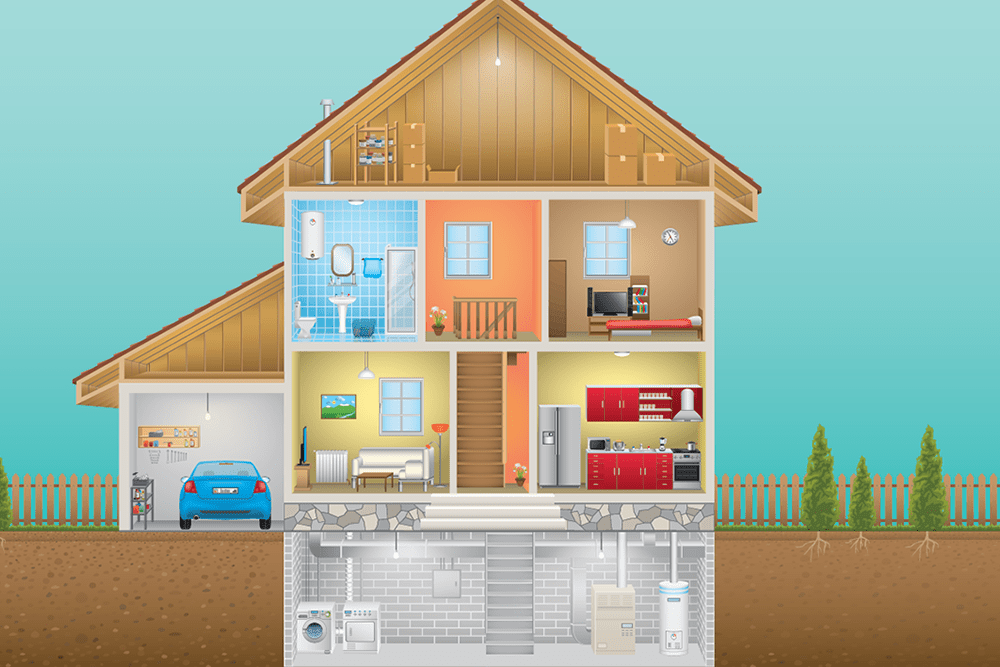
- Prevent mold and mildew build up inside your home. Pay close attention to mold in bathrooms, basements, and laundry areas. Be aggressive about reducing dampness.
- If mold grows, clean it right away. If it grows on a hard surface, scrub the mold off with detergent and water. Let it dry fully. Protect yourself with goggles, gloves, and a mask. You may have to throw away soft materials, like carpet or furniture, if you can’t fully remove the mold. If you use bleach and water to clean the mold, make sure the air is well-ventilated (has proper air flow). Bleach may cause asthma symptoms, so wear a mask or have someone else clean if possible. Don’t mix bleach with other chemicals. This may cause a dangerous chemical reaction.
- Increase air flow in your home. Open doors between rooms, move furniture away from walls, and use fans if needed.
- Repair roof leaks and roof gutters. Clean out your gutters to remove leaves and debris. When gutters are full or damaged, it can cause leaking.
- Fix plumbing leaks as soon as possible.
- Use central air conditioning with a Certified Asthma & Allergy Friendly® filter. This can help trap mold spores from your entire home. Freestanding air cleaners only filter air in a limited area. Avoid devices that treat air with heat, electrostatic ions, or ozone.
- Lower your indoor humidity. Air cleaners and filters can’t reduce mold spores if your home is too humid. If indoor humidity is above 50%, mold will thrive. Use a tool called a hygrometer to measure your indoor humidity. The goal is to keep humidity between 30 to 50%. Use a dehumidifier to remove moisture and keep humidity in your house below 50%. Drain the dehumidifier often and clean the condensation coils and collection bucket. If you use a humidifier, clean the fluid container at least twice a week to prevent mold growth. Air conditioners and dehumidifiers can also be a source of mold. Choose a high-quality humidifier that you can easily clean and check for mold growth.
- If you have houseplants or potted herbs, only water them when the soil is dry. Here are some other ways to prevent mold in houseplants:
- Plant them in sterile soil.
- Give them more light.
- Use a fan to circulate air around the plant.
- Trim dead leaves often.
To reduce mold in your bathrooms:
- Use an exhaust fan or open a window in the bathroom during baths and showers. Run the fan for 15 to 20 minutes after bathing.
- Remove bathroom carpeting from places where it can get wet.
- Scour sinks and tubs at least monthly. Fungi thrives on soap and other films that coat tiles and grout.
- Quickly repair any plumbing leaks.
To reduce mold in your kitchen:
- Clean garbage cans often.
- Clean refrigerator door gaskets and drip pans.
- Throw out old produce often before it develops mold.
- Quickly repair any plumbing leaks.
- Use an exhaust fan when you are cooking or washing dishes.
To reduce mold in your laundry area:
- Remove clothes from the washing machine right away.
- If you have a front-loading washing machine, clean and dry the rubber seal and inside of the door often. Leave the door cracked open when the machine is not in use.
- Don’t leave wet, damp clothes sitting around.
- Make sure your laundry area has good air circulation.
To reduce mold in your bedrooms:
- Polyurethane and rubber foams seem especially prone to fungus invasion. Use plastic zippered covers on bedding made from these foams.
- Throw away or recycle old books, newspapers, clothing, or bedding.
- Check windows for condensation (water droplets or mist on the inside of your windows).
- Improve air flow through your bedroom. If your closet is colder than the rest of your room, leave the closet doors open.
- Use a Certified Asthma & Allergy Friendly® air cleaner in your bedroom.
To reduce mold in your basement:
- Quickly repair any plumbing or roof leaks.
- Remove carpet. It can hold onto moisture.
- Make sure groundwater drains away from your home. Remove leaves and dead plants near the foundation and in the rain gutters.
- Use a dehumidifier if necessary.
What Should I Do If My House Floods?
If your home has flooded, you need to act quickly to prevent mold. This could include anything from a busted pipe to a natural disaster. To prevent mold, your home needs to be completely dried out within 24 to 48 hours. This includes carpet, furniture, books, and walls. If these items are not completely dry, mold can hide.
If you are not able to dry your home out right away, you should assume you have mold. The presence of mold can affect your health. Protect yourself well before attempting to clean up mold. If possible, use a professional mold remediation company. They can clean up the mold while preventing the mold spores from spreading.
Read “Homeowner’s and Renter’s Guide to Mold Cleanup After Disasters” from the Environmental Protection Agency (EPA) to help you deal with mold cleanup after a disaster.
Using CERTIFIED asthma & allergy friendly® products in your home can help you have a healthier indoor environment, as well as reduce allergens.
Learn more about the asthma & allergy friendly® Certification Program by visiting aafa.org/certified.
Medical Review: September 2024 by Mitchell Grayson, MD
References
1. Household Molds Linked to Childhood Asthma. (2015, May 18). National Institutes of Health (NIH); NIH Research Matters. https://www.nih.gov/news-events/nih-research-matters/household-molds-linked-childhood-asthma
Air Filters for Mold Allergies
If you have a mold allergy, you can trap mold spores in the air with a Certified Asthma & Allergy Friendly® air filter.
Allergy Capitals
Your location can have an impact on your seasonal allergies. AAFA’s Allergy Capitals® report looks at the top 100 most challenging cities in the contiguous United States to live with seasonal pollen allergies.