






Allergies
Nasal Allergies (Rhinitis)
Rhinitis is a condition where your nose becomes inflamed (swollen). Allergens, irritants, smoke, and viruses can cause rhinitis.1
Mucus plays a role in rhinitis. Your nose produces a fluid called mucus. This fluid is normally thin and clear. It helps to keep dust, debris, and allergens out of your lungs. Mucus traps particles like dust and pollen, as well as bacteria and viruses. Mucus usually drains down the back of your throat. You’re not aware of it most of the time because it is a small amount and is thin.2
When you have rhinitis, your nose may produce more mucus. This mucus can become thick and pale yellow. It may begin to flow from the front of your nose as well as the back.1
When more mucus drains down the back of your throat, substances in the mucus may irritate it and cause coughing. This is called postnasal drip.3
What Causes Rhinitis?
Irritants or allergens (substances that cause an allergic response) may cause rhinitis. The cells of your body react to these irritants or allergens by releasing histamine and other chemicals.1
Rhinitis is often temporary. It clears up on its own after a few days for many people. This is acute rhinitis. In other people, especially people with allergies, rhinitis can be chronic. Chronic means it is almost always present or recurs often. Rhinitis can last for weeks to months if you are exposed to your allergens.1
What Are the Types of Rhinitis?
There are several types of rhinitis:
- Allergic rhinitis is caused by allergies to allergens.1
- Seasonal allergic rhinitis is also known as “seasonal allergies.” It is an allergic reaction to pollen from trees, grasses, and weeds or to seasonal molds. This type of rhinitis occurs when the allergens are in the air. Tree pollen typically releases in early spring, grass pollen in late spring and summer, and weed pollen in late summer and fall. Mold counts may jump up during wet seasons. Some people call this condition “hay fever” but seasonal allergic rhinitis does not cause a fever, and you do not have to be around hay to have it.1,4
- Perennial allergic rhinitis is caused by allergens that are present all year long. This is often caused by allergies to dust mites, mold, animal dander, cockroaches, and mice.1
- Non-allergic rhinitis is not caused by allergens. But its symptoms are similar to allergy symptoms. It can be caused by smoke, chemicals, or other irritating substances. Hormonal changes, physical defects of the nose (like a deviated septum) and the overuse of nasal sprays may also cause it. Sometimes medicines cause it. Often, the cause of this type of rhinitis is not well understood. But it is common in people with non-allergic asthma.1
- Infectious rhinitis is possibly the most common type of rhinitis. It is the runny, stuffy nose people get when they get sick. It can be caused by the common cold or an upper respiratory infection. Colds occur when a cold virus settles into the mucous membranes of the nose and sinus cavities and cause an infection.1
What Are the Symptoms of Allergic Rhinitis?
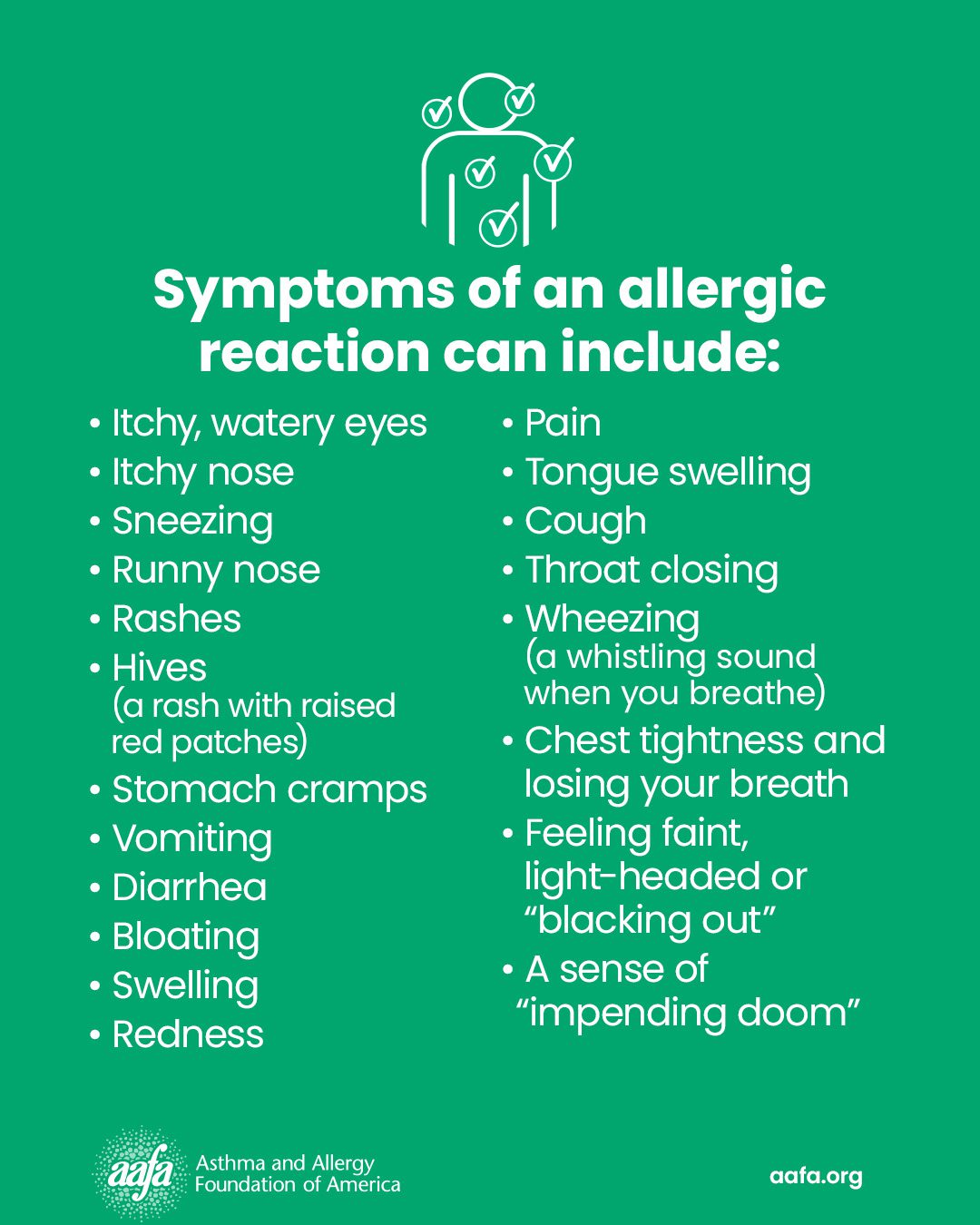
Rhinitis symptoms include:1,5
- Itching in the nose and eyes
- Sneezing
- Stuffy nose (congestion)
- Runny nose
- Mucus (phlegm) in the throat (postnasal drip)
Some of these symptoms are similar to other conditions.
How Do I Know If I Have Allergies or a Cold?
Sometimes it can be hard to tell the difference between allergies and the common cold. There are more than a hundred strains of cold viruses. They can spread at different times of the year, which is why you may mistake a cold for a seasonal allergy. Allergies usually occur at the same time every year and last as long as the allergen is in the air (usually 2-3 weeks per allergen). Allergies cause itching of the nose and eyes along with other nasal symptoms. Colds last about 1 week and cause less itching of the nose and eyes.4
AAFA’s respiratory illness symptom chart can help you learn what is similar and what is different between seasonal allergies and other conditions, such as asthma, colds, COVID-19, flu, and RSV.
How Does a Doctor Diagnose Rhinitis?
If you have new rhinitis caused by an illness, you can visit your primary care doctor for treatment.5,6
When you have chronic (long-term) rhinitis, see a board-certified allergist if possible. They can help determine the cause and come up with a treatment plan.
Your doctor will diagnose rhinitis based on your medical history, symptoms, a physical exam, and test results. Your doctor may recommend allergy testing to help determine if you are allergic to a specific substance. This may be either a blood test or skin test.1
What Are the Treatments for Allergic Rhinitis?
The best way to prevent allergic rhinitis is to avoid your allergens. But that is not always possible. When prevention is not enough, there are medicines and steps you can take to control your symptoms.
Certain over-the-counter (OTC) and prescription medicines, such as corticosteroid [kor-tick-OH-stair-ROID] nasal sprays and antihistamines may help reduce allergy symptoms. Talk with your doctor about what medicines may be right for you.5
If other treatments and steps are not working, allergy shots (immunotherapy [eh-mu-no-THER-ah-pee]) can be very effective. Immunotherapy is a long-term treatment (3-5 years) that can help prevent or reduce the severity of allergic reactions triggered by allergens. It can change the course of allergic disease by reducing the body’s immune response to allergens. There are 2 types of immunotherapy: allergy shots and sublingual (under-the-tongue) immunotherapy. Talk with your allergist to see if immunotherapy is right for you.5
For more information about available medicine options that may help you manage allergic rhinitis, see our “Allergy Medicine Guide.”
How Can I Prevent Allergic Rhinitis?
The first and best option is to avoid contact with your allergens. But that isn’t always possible. Medicine can help, but it may not give you complete relief. A combination of medicine, reducing your exposure to allergens, and improving your indoor air quality may be best. Here are some ways to help you control and prevent allergic rhinitis:4
- Using a saline (saltwater) nose rinse can help cut down mucus and rinse allergens like pollen, animal dander, or dust mites out of your nose. Remember to use these as directed. If you make your own saline, use distilled or boiled sterilized water. Nasal rinse options include OTC prepackaged nasal saline sprays, sinus rinse squeeze bottles, nasal irrigation systems, or neti pots.
- Use Certified Asthma and Allergy Friendly® pillows and mattress covers.
- Clean your floor weekly with vacuums with a HEPA filter.
- Use central air conditioning or air cleaners with a Certified Asthma & Allergy Friendly® filter and/or HEPA filtration to reduce indoor airborne allergens (including pollen that may enter your home through doors, windows, on your clothes, and on pets), if possible.
- If you smoke, take steps to try to stop smoking. If you are often with someone who smokes, ask them not to smoke when you are around.
- Avoid touching your face and rubbing your eyes and nose.
- Wear sunglasses and a hat to protect your eyes from pollen when outside.
- Do not dry clothes outside when the pollen count is high.
- Wash your pets and your pet’s bedding regularly and clean any furniture they have been on.
- Limit close contact with pets that spend a lot of time outdoors. Wipe furry animals off when they come inside or bathe them weekly (if appropriate).
- Keep windows closed, if possible, during pollen season or peak pollen times.
- Wash your hands and skin immediately if you have contact with a known allergen or irritant.
There are many over-the-counter or prescription medicines to help you find allergy relief. For seasonal allergies, start your allergy medicines a couple weeks before your allergy season for best results. Talk with your doctor about your allergy treatment plan. If you do not get complete relief from medicines, there are other treatment options.
AAFA's Allergy Medicine Guide explains the options available.
Medical Review: March 2026 by Med Communications, Inc.
Closed
References
- Liva, G. A., Karatzanis, A. D., & Prokopakis, E. P. (2021). Review of Rhinitis: Classification, Types, Pathophysiology. Journal of Clinical Medicine, 10(14), 3183. https://doi.org/10.3390/jcm10143183
- Fahy, J. V. & Dickey, B. F. (2010). Airway mucus function and dysfunction. The New England Journal of Medicine, 363(23), 2233-2247. https://doi.org/10.1056/NEJMra0910061
- Cleveland Clinic. (2022, May 26). Postnasal Drip. My Cleveland Clinic. Retrieved February 26, 2026, from: https://my.clevelandclinic.org/health/diseases/23082-postnasal-drip
- Cleveland Clinic. (2023, September 21). Allergic Rhinitis (Hay Fever). My Cleveland Clinic. Retrieved February 26, 2026, from: https://my.clevelandclinic.org/health/diseases/8622-allergic-rhinitis-hay-fever
- Akhouri, S. & House, S. A. (2023, July 16). Allergic Rhinitis. In StatPearls. StatPearls Publishing. Retrieved February 26, 2026, from: https://www.ncbi.nlm.nih.gov/books/NBK538186/
- Leader, P. & Geiger, Z. (2023, July 10). Vasomotor Rhinitis. In StatPearls. StatPearls Publishing. Retrieved February 26, 2026, from: https://www.ncbi.nlm.nih.gov/books/NBK547704/
- National Health Service. (2026. January 8). Allergic rhinitis NHS. Retrieved February 26, 2026, from: https://www.nhs.uk/conditions/allergic-rhinitis/
Allergy Capitals
Your location can have an impact on your seasonal allergies. AAFA’s Allergy Capitals® report looks at the top 100 most challenging cities in the contiguous United States to live with seasonal pollen allergies.

.
Using Certified Asthma & Allergy Friendly® products in your home can help you have a healthier indoor environment, as well as reduce allergens.
To learn more about the Asthma & Allergy Friendly® Certification Program, visit: aafa.org/certified